
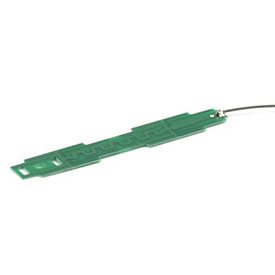
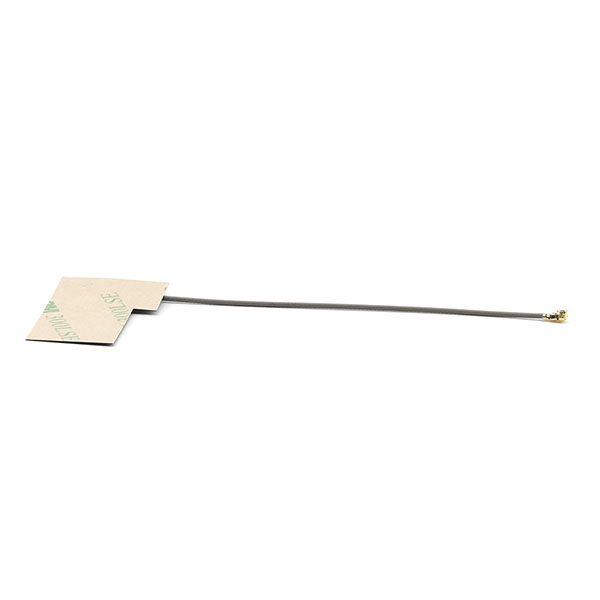
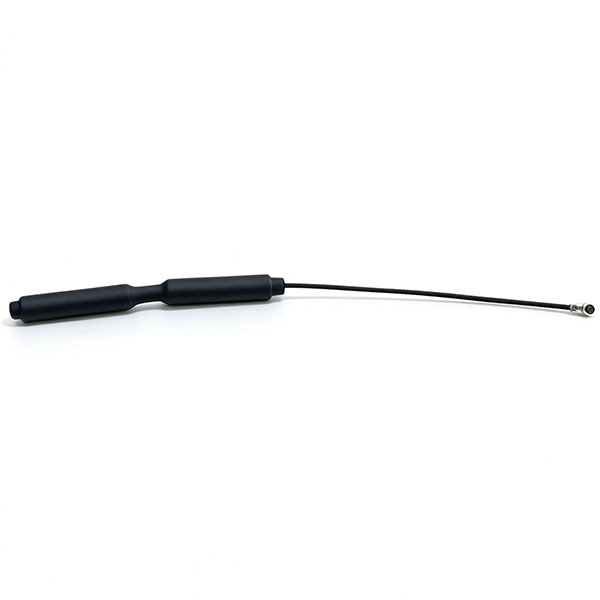
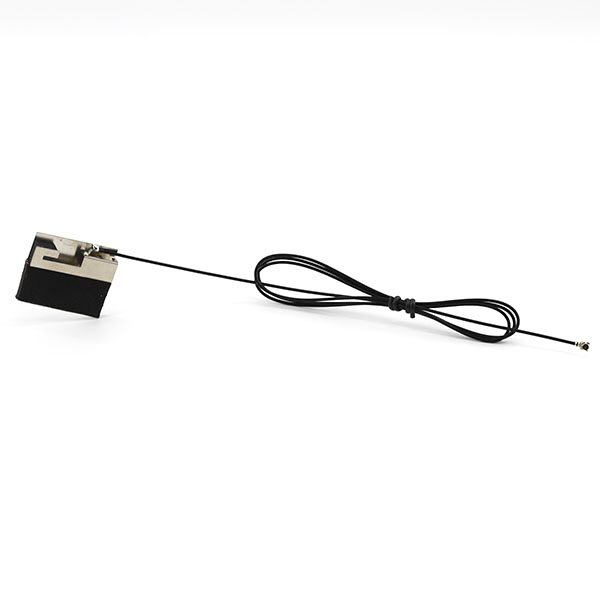
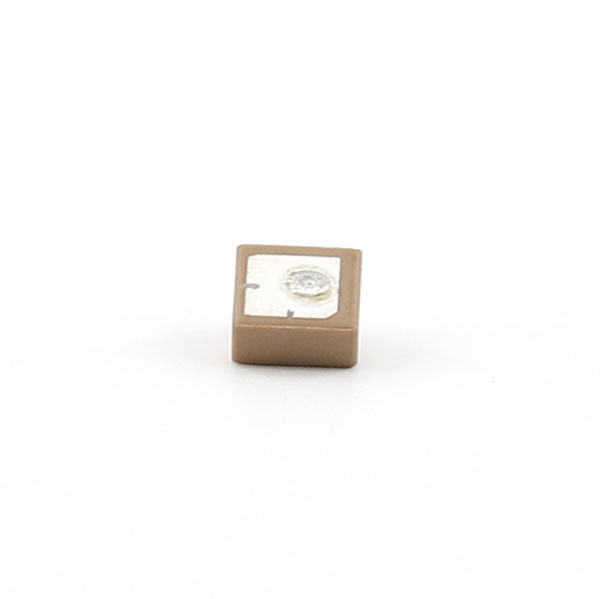
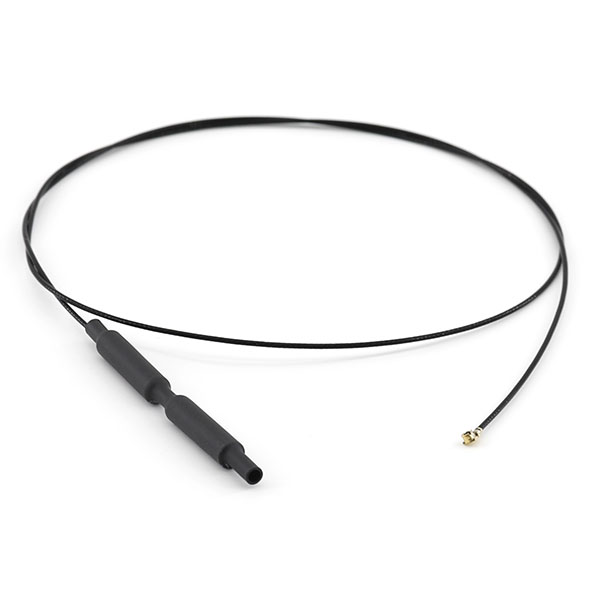
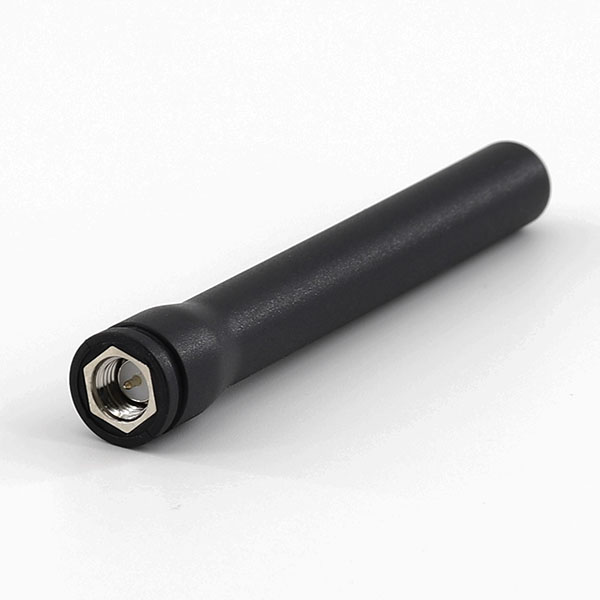
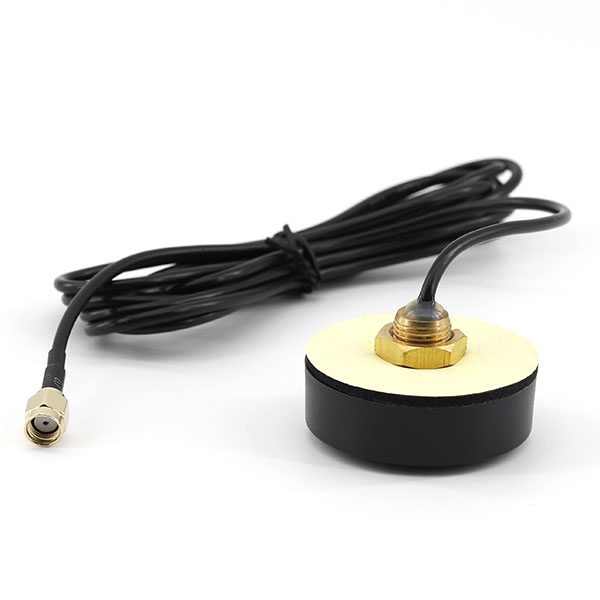
















Common types of built-in antennas include FPC antennas, PCB antennas, ceramic antennas, coil antennas, copper tube antennas and LDS antennas, among others; the choice depends on the device’s structure, operating frequency band and performance requirements.
FPC internal antennas are manufactured using flexible printed circuit boards and are characterised by their light weight, slim profile, flexibility and ease of installation, making them suitable for smart devices, wearable devices and mobile terminals where space is limited.
PCB-integrated antennas are designed directly onto the circuit board and are characterised by high stability and good consistency; they are commonly used in wireless modules, routers, smart home devices and industrial equipment.
Ceramic antennas are characterised by their compact size, stable performance and high resistance to interference, and are commonly used in positioning and communication devices such as GPS, GNSS, Wi-Fi and Bluetooth.
The built-in antenna supports various wireless communication bands, including Wi-Fi, Bluetooth, 4G, 5G, GNSS, LoRa and NB-IoT, as required.
Yes. The built-in antenna can be customised in terms of both design and performance to suit the customer’s equipment dimensions, installation space, frequency range and gain requirements.
Common installation methods for built-in antennas include adhesive mounting, screw mounting, snap-fit mounting, soldering and connection via connectors.
The self-adhesive mounting method is simple and quick, requires no additional structural components, and is suitable for high-volume production and electronic devices with limited space.
The installation location affects the performance of the antenna; it should generally be positioned away from metal, batteries and other sources of interference, and sufficient clearance should be provided.
It is generally not recommended to mount the antenna directly onto a metal surface, as the metal may affect the antenna’s radiation performance. If the equipment has a metal structure, the antenna design will need to be optimised.
Yes. Different device configurations can affect antenna performance; it is usually necessary to fine-tune the matching parameters to achieve optimal communication performance.
You can choose from FPC flexible antennas, LDS antennas or customised miniaturised antenna solutions to suit limited space.
This may be due to factors such as the installation location, the device’s design, surrounding metal components or electrical interference; the installation plan therefore needs to be re-optimised.
Standard self-adhesive antennas are easy to install, but when radio frequency performance is a consideration, it is recommended that they be installed and tested by a professional.
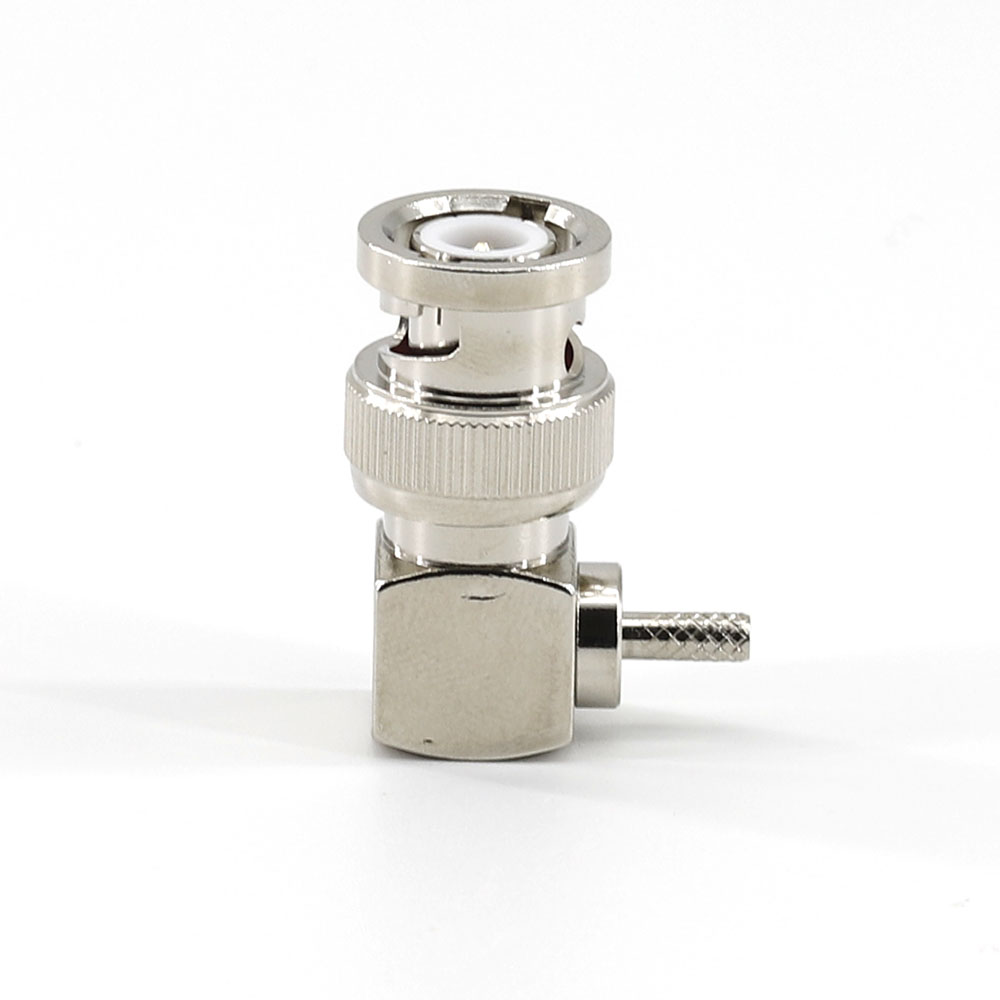
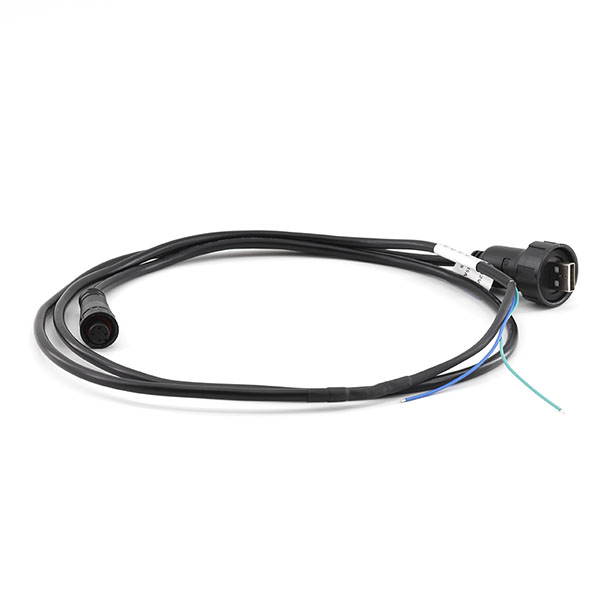
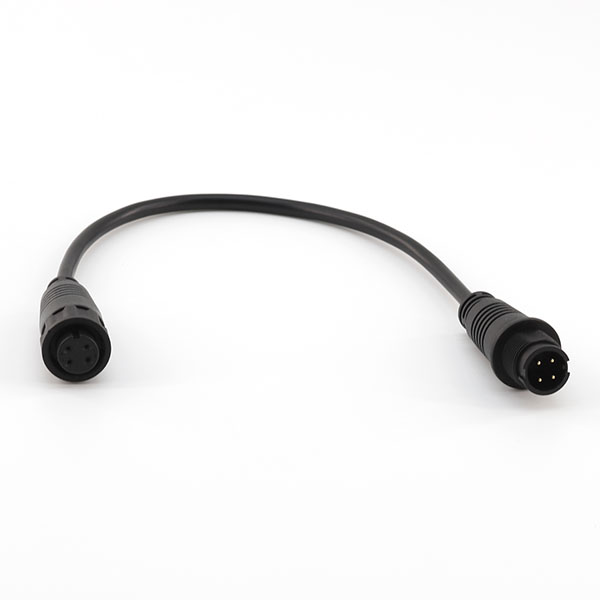
Common connectors for internal antennas include IPEX, MHF, SMA, MMCX and TNC, amongst others; the appropriate connector can be selected according to the device’s interface requirements.
IPEX connectors are compact and lightweight, and are commonly used in small electronic devices such as laptops, wireless modules, GPS modules and Internet of Things (IoT) devices.
Yes, SMA connectors are characterised by their reliable connection and durability, and are commonly used for built-in antennas in industrial equipment and test environments.
Some connectors can be replaced using adaptors, but it is necessary to check that the interface specifications, impedance, frequency range and installation space are compatible.
Most wireless communication antennas are designed with an impedance of 50 Ω to match RF modules and communication equipment.
The appropriate connector must be selected based on factors such as the type of equipment interface, installation space, operating environment and the number of insertion and removal cycles.
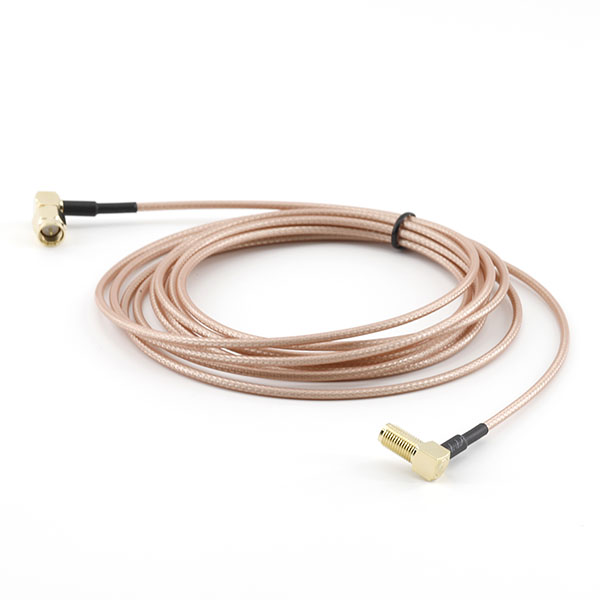
Yes, the length of the built-in antenna cable, the cable specifications and the connector type can all be customised to meet customer requirements.
Yes. Poor connector contact can cause signal attenuation and unstable communication, so you should ensure that the connection is secure and reliable.